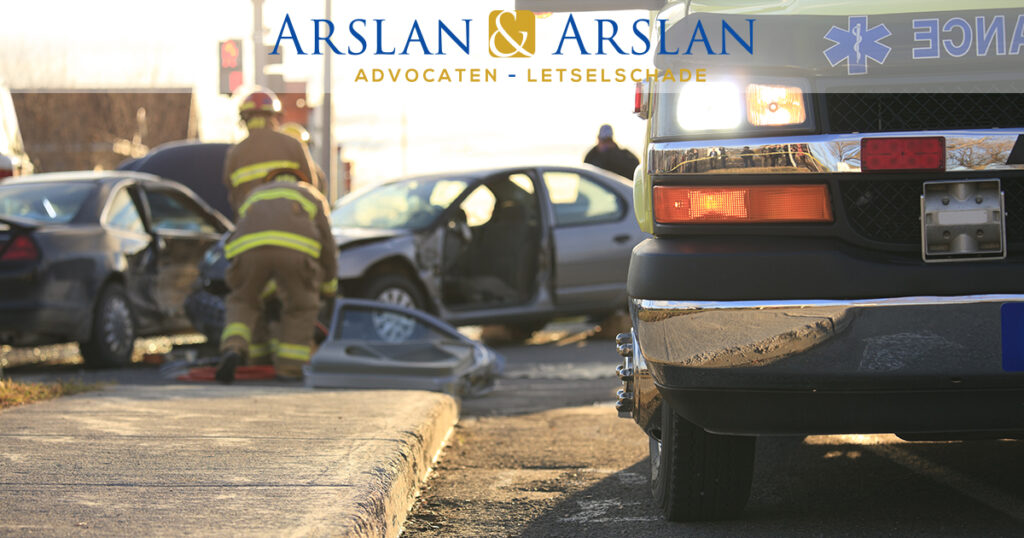
Rear-end collision personal injury is often underestimated. A collision sometimes seems like a small tap, but the consequences can be significant. Think of whiplash symptoms, long-term pain, concentration problems, psychological complaints, and loss of income. In this comprehensive guide you will read who is liable in the event of rear-end collision personal injury, what damages you can recover and which steps you should take immediately to safeguard your rights.
Are you unsure whether your symptoms are serious? Always visit your (family) doctor. Medical documentation is important for your recovery and for your personal injury claim.
What is a rear-end collision?
In a rear-end collision a vehicle crashes into the back of another vehicle. This is one of the most common traffic accidents in the Netherlands. Tens of thousands of rear-end collisions occur every year. Even in a low-speed collision, rear-end collision personal injury arise because the body undergoes rapid acceleration and deceleration within a fraction of a second.
Common causes are:
- Insufficient following distance
- Distraction (for example, phone or navigation)
- Abrupt braking or unexpected traffic situations
- Traffic congestion and sudden stopping
- Poor weather conditions or slippery roads
In a rear-end collision, a so-called whiplash mechanism occurs. The neck first moves backward and then forward. Muscles, ligaments, and nerve structures can become overloaded as a result.
Read more about personal injury in traffic here: Personal injury after a traffic accident.
Why personal injury from a rear-end collision is often underestimated
Many people think after a collision: “It’s not that bad.” Yet in practice we see that symptoms often only appear later. That’s because adrenaline and stress can mask symptoms in the first few hours. With rear-end collision personal injury we often hear that victims only experience neck pain, headache, or dizziness after one or two days.
Symptoms can include:
- Neck and shoulder pain
- Headache
- Dizziness
- Fatigue and sleep problems
- Concentration problems
- Irritability and stress symptoms
- Driving anxiety
Even without clear abnormalities on scans, symptoms can be real and long-lasting. Medical documentation and a consistent recovery narrative are then especially important.
Who is liable in rear-end collision personal injury cases?
In most cases, the driver who rear-ends is liable. The driver behind must keep sufficient distance to brake safely. In rear-end collision personal injury cases that is often the starting point for insurers and in legal proceedings.
Exceptions: when is the driver who rear-ends not (fully) liable?
There are situations in which the lead driver can be (partly) liable. For example:
- Suddenly merging without sufficient space
- Unnecessarily braking abruptly
- Dangerous driving behavior
- Defective brake lights
Note: these exceptions are often difficult to prove. Evidence and circumstances are decisive. Unsure about liability? Let us assess the sequence of events.
More background on liability: Liability in personal injury cases: what do you need to know?.
What damages can you claim for rear-end collision personal injury?
For rear-end collision personal injury you can claim full compensation. This consists of material damage and immaterial damage (pain and suffering). We ensure that no damage item is forgotten.
Material damage (financial loss)
- Medical expenses (deductible, physiotherapy, specialist, medication, assistive devices)
- Travel expenses to healthcare providers
- Loss of income and loss of earning capacity
- Missed pension accrual
- Household help and informal care
- Babysitting and childcare costs
- Modifications to the home or workplace
- Damage to clothing, glasses, phone and other belongings
Non-material damage: pain and suffering compensation
Pain and suffering compensation is compensation for pain, grief, anxiety and loss of enjoyment of life. In cases of whiplash, chronic pain or psychological complaints, pain and suffering compensation can be an important part of your claim. The amount depends on the severity and duration of your symptoms and the impact on your daily life.
More explanation: Pain and suffering compensation for personal injury.
Whiplash after a rear-end collision: what to watch for
Whiplash symptoms often occur in rear-end collision personal injury. Insurers sometimes claim that symptoms are “not objective”. Therefore it is important that you:
- Have your symptoms promptly recorded by your GP or specialist
- Be consistent in your account of symptoms
- Properly document your course of treatment
- Keep a symptom diary
Read more: Whiplash after a collision: symptoms, treatment and compensation.
What to do immediately after the collision? (step-by-step plan)
1. Medical assistance and documentation
Visit your GP or the emergency department. Have symptoms, limitations, and treatments documented. Medical documentation helps with recovery and with evidence.
2. Gather evidence
- Take photos and videos of vehicles, damage, and the surroundings
- Fill in the European accident report form completely and have both parties sign
- Note witnesses (name and phone number) and ask for a brief statement
- Secure dashcam or camera footage
3. Keep records
Keep receipts, appointments, and medical reports, and keep a symptom diary. This makes your losses visible.
4. Seek legal assistance
Early notice of liability and requesting advances prevent financial pressure. We take over communication with the insurer and safeguard your interests.
Useful: Step-by-step plan: claiming personal injury compensation after an accident.
Rear-end collision during working hours
Does the accident occur during working hours (business trip, delivery, client visit)? Then, besides the other party, employer liability may also be involved. Report the accident to your employer right away and have it recorded that you were traveling for work.
More information: Reporting a workplace accident: what are the rules?.
Injured as the driver? Consider your SVI
Were you the driver and did you sustain injuries? Then a Personal Injury Insurance for Occupants (SVI) can be important. With an SVI, your personal injury damages are covered, regardless of fault. This is especially helpful if liability is disputed or recovery is difficult.
Would you like to know if you have an SVI? We check this for you by default.
How high can the compensation be?
The amount of compensation for rear-end collision personal injury damages varies per case. Important factors are:
- Severity and duration of symptoms
- Impact on work, studies and private life
- Medical prognosis and treatment plan
- Future damages (loss of earning capacity, need for assistance)
We identify all heads of damage and request advances as soon as possible. This prevents you from having to front costs.
Why Arslan Advocaten?
- Specialized personal injury lawyers with extensive experience in traffic cases
- Free legal assistance: we recover our reasonable costs from the liable party
- Quick advances and tight control over medical and vocational expert evidence
- Maximum compensation: we leave no head of damage unclaimed
- Personal approach with a dedicated contact person
Read more: Personal injury lawyer.
Frequently Asked Questions (FAQ)
Who pays for the damage in a rear-end collision?
Usually the WAM insurer of the driver who rear-ended pays. Exceptions are possible, but evidence is decisive.
Am I entitled to compensation for pain and suffering after a rear-end collision?
Yes, if you suffer non-material damages, such as pain, anxiety, sleep problems, or loss of enjoyment of life. The amount depends on the severity and duration.
Should I always see a doctor, even with mild symptoms?
Yes. Early medical documentation is important for recovery and for proving causation.
How quickly can I receive an advance payment?
Once liability has been admitted, we request advance payments as soon as possible. The processing time differs per case.
Can I still hire a lawyer if the insurer is already involved?
Yes. You can obtain legal assistance or switch at any time. We arrange the handover and take charge.
Conclusion
Rear-end collision personal injury can have major consequences, even if the accident initially seems minor. With timely medical care, good evidence, and specialized legal assistance, you avoid mistakes and increase your chances of full compensation.
Would you like to know what you are entitled to after a rear-end collision? Contact Arslan Attorneys. We assess your case free of charge and take charge immediately.