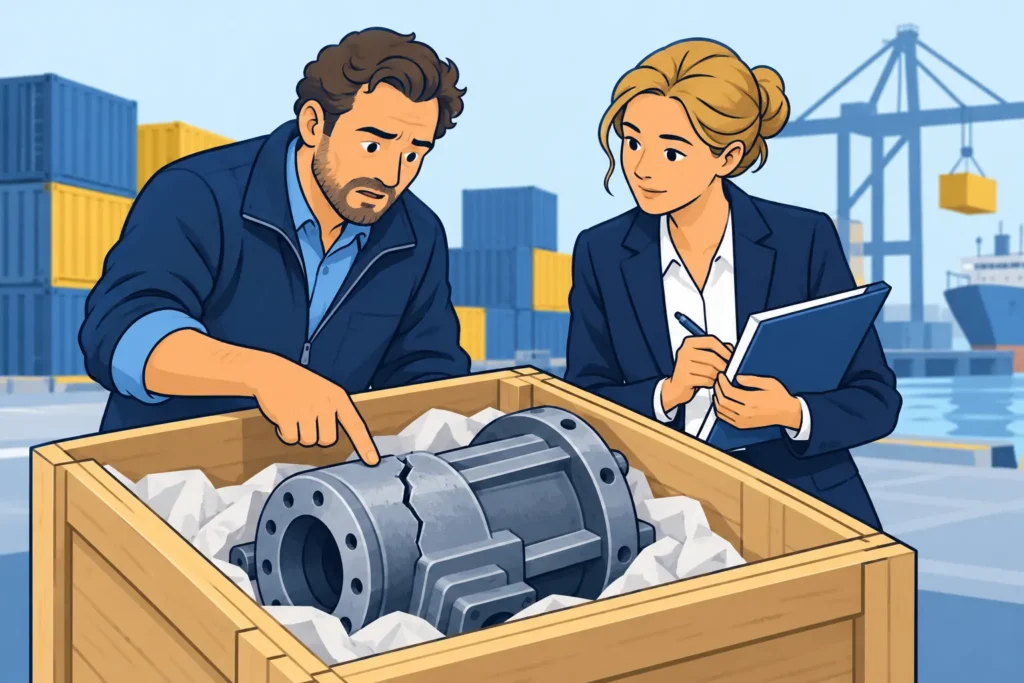
- Personal injury from machines and tools often arises from accidents involving forklifts, saws, presses, and other industrial equipment.
- Employers have, based on article 7:658 BW (a Dutch Civil Code provision imposing a broad duty of care), an extensive duty to ensure safe machines, tools, and instructions.
- Compensation can consist of medical costs, loss of income, and pain and suffering damages; insurers usually pay the damages.
- Safety measures such as CE marking, NEN 3140 inspections, emergency stops, and safety guards are crucial for liability.
- After an accident, it is important to report the incident, document medical information, and seek legal assistance.
- Arslan Advocaten Lawyers offers expert support for personal injury caused by machines and tools, free of charge for victims.
Personal injury caused by machines and tools: a complex legal issue
Personal injury caused by machines and tools unfortunately occurs regularly across various sectors such as industry, construction, logistics, and manufacturing. Think of accidents involving forklifts, lathes, saws, or presses where employees suffer serious injuries due to crushing, amputations, or deep cuts. The employer’s legal liability is based on a strict duty of care as laid down in article 7:658 of the Dutch Civil Code (Burgerlijk Wetboek, BW). This means the employer must ensure a safe working environment, well-maintained machines and tools, and clear instructions. In this comprehensive article, we discuss the types of personal injury, the duty of care, liability, pain and suffering damages, and how you can claim your personal injury compensation.
Types of machines and tools that commonly cause personal injury
In daily practice, we see various types of machines and tools where accidents frequently occur. These devices are indispensable in production and logistics but also pose a significant risk if not properly managed or maintained.
- Forklifts: Accidents involving forklifts can lead to crushing injuries, bruises, or even severe crushing. Incorrect operation or lack of maintenance can cause serious personal injury.
- Lathes and milling machines: These machines have sharp parts and moving components that can cause amputations or deep cuts if safety measures are lacking.
- Saws (circular saws, band saws): When using saws, victims can sustain injuries from contact with the saw blade, such as cuts or amputations.
- Presses: These heavy machines can cause crushing injuries with serious consequences if safety guards or emergency stops do not function properly.
- Other tools: Think of electric tools, hand tools, and machines without CE marking or insufficient inspections.
It is crucial that these machines comply with strict safety requirements to prevent personal injury.
The employer’s duty of care regarding personal injury from machines and tools
The employer has an extensive duty of care under article 7:658 BW. This article obliges employers to ensure a safe working environment and safe work equipment. In the context of personal injury caused by machines and tools, this means the employer must:
- Ensure machines have a valid CE marking, which guarantees that the machine complies with European safety requirements.
- Have regular inspections carried out, such as NEN 3140 electrical inspections, to ensure the safety of electrical equipment and machines.
- Ensure the presence and proper functioning of safety guards and other protective devices that prevent employees from coming into contact with dangerous moving parts.
- Install emergency stops that can immediately shut down the machine in emergencies.
- Provide clear instructions and training to employees on the safe operation of machines and tools.
- Supervise compliance with safety regulations and the use of personal protective equipment (PPE).
- Be obliged to conduct a risk inventory and evaluation (RI&E) to identify hazards and take appropriate measures.
If the employer fails in one or more of these obligations, this can lead to liability for personal injury.
Legal liability and proof in personal injury cases involving machines and tools
The employer’s liability in personal injury cases involving machines and tools arises from the statutory duty of care. According to article 7:658 BW, the employer is liable for damage suffered by the employee during the performance of his work unless he can demonstrate that he has fulfilled his duty of care.
The burden of proof therefore lies with the employer: it is up to him to prove that he took all reasonable measures to prevent the accident. He can do this with maintenance reports, inspection certificates, instruction and training documents, and supervision reports.
If the employer lacks this evidence or it is insufficient, he is almost always liable for the personal injury. Only in exceptional cases of intent or conscious recklessness by the employee can liability be excluded, but this is rare.
What personal injury damages can you claim after an accident involving machines or tools?
After a personal injury accident involving machines and tools, you can claim various types of damages. The most common are:
- Medical costs: costs for hospital admission, surgeries, physiotherapy, medication, and other treatments. The deductible in the health insurance can also be reimbursed.
- Loss of income: the difference between the salary you would normally receive and the benefit you get during illness (at least 70% paid by the employer).
- Future loss of income: if you can work less or have to perform a different, lower-paid job due to permanent injury.
- Household help: costs for assistance with household tasks if you can no longer perform them yourself due to your injury.
- Travel expenses: costs of transportation to doctors, therapists, and the hospital.
- Pain and suffering damages (smartengeld): compensation for pain, grief, immaterial damage, and loss of enjoyment of life.
The amount of pain and suffering damages for personal injury caused by machines and tools depends on the nature and severity of the injury. For example:
- For amputation of a finger, pain and suffering damages often range between €5,000 and €15,000.
- For severe permanent injuries, such as loss of a hand or serious mutilations, amounts between €30,000 and €75,000 may be awarded.
- For less severe injuries, such as cuts with permanent scars, pain and suffering damages can vary from a few thousand euros.
The court always considers personal circumstances and the impact of the injury on the victim’s life.
The process of claiming damages for personal injury caused by machines and tools
When you suffer personal injury from an accident involving machines or tools, it is important to follow the steps below for a successful claim:
- Report the accident: Report the incident immediately to your employer and ensure it is recorded in an accident report. This may be important for liability.
- Medical documentation: Have your injury assessed by a doctor or specialist. Medical reports are essential for evidence.
- Gather evidence: Take photos of the situation, the machine, the tool, and any defects. Note the names of witnesses and, if possible, obtain statements.
- Check with the Labour Inspectorate (Inspectie SZW): In case of serious injury, the employer may be obliged to report the accident to the Social Affairs and Employment Inspectorate. Verify whether this has been done.
- Engage a personal injury lawyer: A specialized lawyer can help you gather evidence, communicate with the insurer, and claim appropriate compensation.
Working with a lawyer costs you nothing because the costs of legal assistance are recovered from the liable insurer according to article 6:96 BW (a Dutch Civil Code provision on legal costs).
Prevention and safety: the importance of the duty of care
Prevention is better than cure. Therefore, the employer’s duty of care is essential to prevent personal injury from machines and tools. A good employer ensures that:
- Machines and tools always comply with the latest safety requirements and standards.
- Regular maintenance and inspections take place, including the NEN 3140 inspection for electrical installations.
- Safety guards and emergency stops are present and function properly.
- Employees are adequately instructed and trained in the safe operation of machines.
- There is supervision of compliance with safety rules and correct use of personal protective equipment.
- A thorough risk inventory and evaluation (RI&E) is conducted and updated.
By complying with this duty of care, the employer significantly reduces the risk of accidents and personal injury. Failure to comply can result in the employer being held liable.
Frequently asked questions about personal injury from machines and tools
Does hiring a personal injury lawyer cost money?
No. If the employer’s liability is recognized, the costs of legal assistance are fully reimbursed by the employer’s liability insurer. You therefore bear no financial risk.
What can I do if my employer says I am at fault for the accident?
The employer must prove that he fulfilled his duty of care. This means the burden of proof lies with the employer, not you. Even if the employer claims you made a mistake, he must prove that the accident could not have been prevented despite his duty of care. A lawyer can help you legally argue this point.
How long does it take before my compensation is paid out?
The duration of the claims process depends on the complexity of the case and the willingness of the insurer to cooperate. In simple cases, it may take a few months. In more complex personal injury cases with permanent damage, the process may take longer. Your lawyer will keep you informed throughout the process.
Can I also receive pain and suffering damages in a workplace accident involving machines?
Yes. Pain and suffering damages are intended as compensation for immaterial damage such as pain, grief, and loss of enjoyment of life. In cases of serious injuries caused by machines or tools, pain and suffering damages are often awarded depending on the severity and consequences of the injury.
Read also
- Personal injury workplace accident: complete guide
- Workplace accident for self-employed & freelancer: compensation
- Pain and suffering damages workplace accident: examples and amounts
Have you suffered personal injury due to an accident involving machines or tools? Contact Arslan Advocaten Lawyers without obligation for expert legal support. We help you free of charge to recover damages and protect your rights.